What Is Congested Skin and How Do You Treat It?

Congested Skin: What Is It and How to Treat It
If your skin feels rough, looks dull, and keeps producing blackheads no matter how carefully you cleanse, you’re probably dealing with congestion.
It’s one of the most common concerns people bring to our Leamington Spa clinic, and one of the most misunderstood. Many people assume they need harsher products or more scrubbing. Usually, the opposite is true.
This guide covers what congested skin is, what causes it, what you can do at home, and when professional treatment, such as a HydraFacial, is worth considering.
What Is Congested Skin?
Congested skin is when your pores become clogged with a mix of excess oil (sebum), dead skin cells and everyday debris.
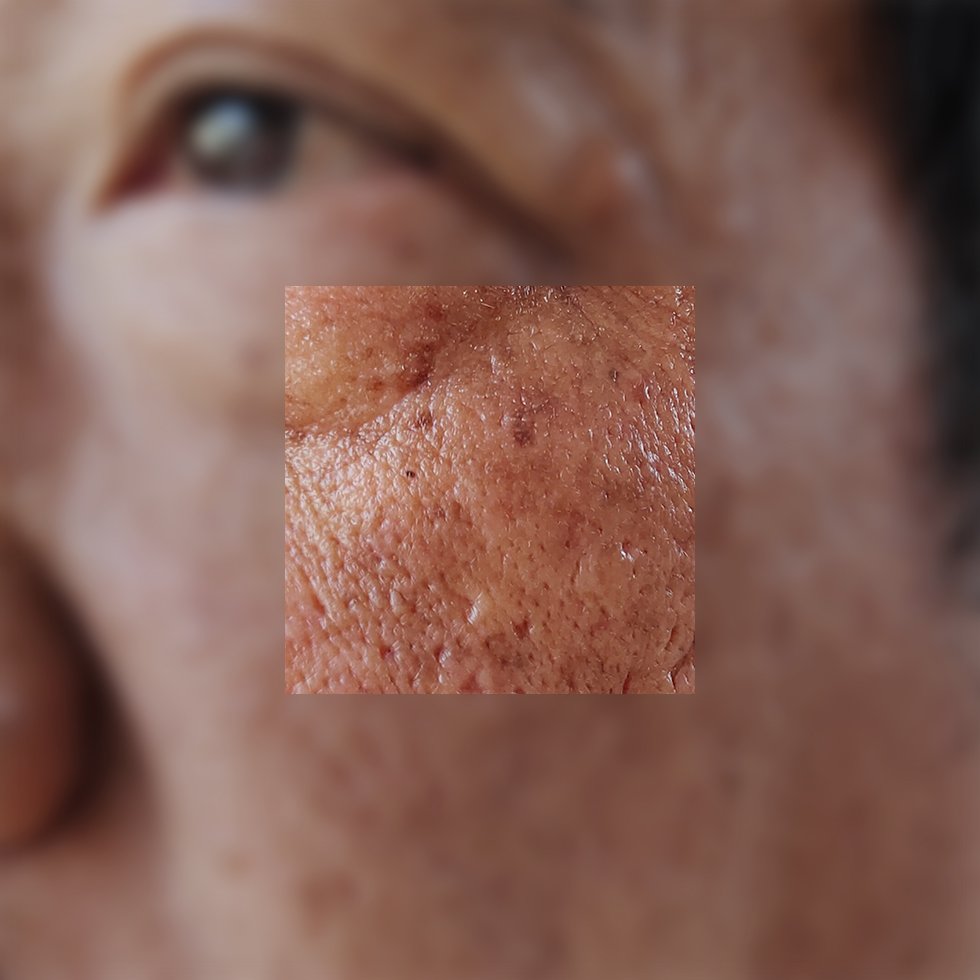
It can show up as blackheads, whiteheads, small bumps under the surface and larger-looking pores, and the skin often looks flat or tired even when you’re doing everything “right”.
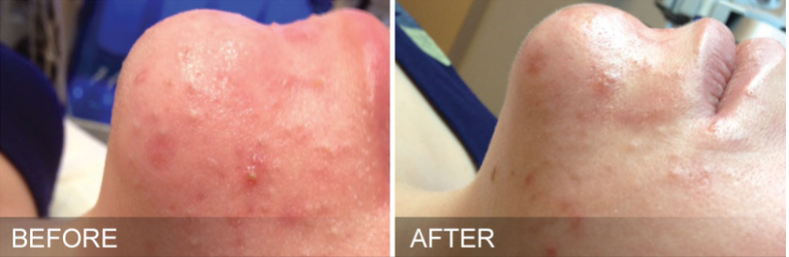
It isn’t the same as active acne. Congestion is usually the earlier, quieter stage: blocked pores without many red, inflamed spots. Left alone, though, they can turn into breakouts, so it’s worth dealing with early.
“What I see most often in clinic is a build-up of excess oil, dead skin cells and impurities trapped inside the pores, which leads to uneven texture, blackheads, whiteheads and enlarged pores. My favourite treatment for this is our Targeted Blemish Blaster HydraFacial.”
– Louise at Restore Skin
Not every bump is a blocked pore. Milia, keratosis pilaris, and inflamed acne can look very similar but need different approaches, which is one reason an assessment is worth having.
What Causes Congested Skin?
There’s rarely a single cause. More often it’s a combination of the following:
Excess Oil and Hormones
Sebum helps protect the skin, but when your sebaceous glands produce more than the pore can clear, the excess mixes with dead skin cells and forms a plug.
Oil production can rise during puberty, around your period, in pregnancy or after changing hormonal contraception. Stress and certain medications can also play a part. If congestion is persistent or comes with painful breakouts, speak to your GP.
Dead Skin Cell Build-Up
Your skin sheds dead cells naturally, but not always evenly. When they collect in the pore, they mix with oil and add to the blockage.
Exfoliation is key to unclogging pores, but the right kind matters. Strong acids or rough scrubs used too often can damage the skin barrier and cause irritation.
Your Products
Some rich creams, oils, primers and foundations can contribute to blocked pores. That doesn’t mean every oil or moisturiser is bad, but certain comedogenic ingredients affect some people more than others.
Taking your makeup off thoroughly matters just as much as what you put on.
Environment and Habits
Pollution, heat, humidity and sweat can all contribute, and so can anything that transfers oil to your face, such as hair products, hats, phones and makeup brushes that aren’t washed often enough.
Working out which of these applies to you changes the treatment. Someone whose congestion flares around their cycle needs a different plan from someone whose skin is reacting to a heavy foundation.
“One thing I wish more people understood is that oil and water are two different things. You can have excess sebum and a lack of water in your skin at the same time. If your skin feels tight but looks shiny, it may need hydration, not another drying product. Stripping the skin tends to backfire, and a damaged barrier can make congestion harder to shift.”
– Louise at Restore Skin
How to Treat Congested Skin at Home
A few habits make the biggest difference:
- Use salicylic acid. Unlike exfoliants that work only on the surface, salicylic acid can get into the pore itself. Start slowly, using it a couple of times a week and building up from there.
- Cleanse consistently. Morning and evening, and double cleanse at night if you wear SPF or foundation.
- Check your labels. Avoid comedogenic makeup and heavy products that sit on the skin.
- Hydrate, even if you’re oily. Choose lightweight hydration rather than reaching for more drying products.
- Don’t pick. Squeezing pushes debris deeper and risks inflammation and marks.
- Never skip SPF. It matters for every skin type, and it’s one of the simplest habits with the biggest long-term payoff.
If you’re pregnant or trying to conceive, check with your GP or pharmacist before starting any new active ingredients.
“If there’s one thing I would steer people away from, it’s constantly changing products and chasing every trend. Skin needs time to respond, and switching routines every few weeks makes it impossible to know what’s working. My own approach is simple: keep the routine consistent, prioritise sleep, and never skip SPF. Skin responds better to consistency than to intensity.”
– Louise at Restore Skin
How Congestion Is Treated In-Clinic at Restore Skin
Home care is important, but it has limits. Once pores are properly blocked, a professional treatment can clear what a cleanser can’t reach.
These are the treatments we most often recommend at Restore Skin in Leamington Spa:
HydraFacial
HydraFacial is often our starting point. It cleanses, exfoliates, extracts and hydrates in one session, using a vacuum-based tip to remove impurities while delivering serums containing hyaluronic acid, peptides and antioxidants.
A standard session takes around an hour, suits most skin types (including sensitive skin) and has no downtime. Boosters can be added to target specific concerns, and we’ll recommend the best option for your skin.
For congestion that’s starting to tip into breakouts, Louise’s favourite is our Targeted Blemish Blaster HydraFacial (1 hour 30 minutes). It begins with a full facial steam to open the pores, followed by the HydraFacial’s Vortex-Fusion technology to cleanse, exfoliate and extract impurities.
We then add a Clarifying Booster to help reduce inflammation and prevent future breakouts. A consultation is always required first.
Chemical Peels
Mesoestetic Chemical Peels are useful when congestion is stubborn, or the skin surface is thick and uneven. Peels speed up cell turnover, which helps stop dead skin from sealing the pores in the first place. We choose the strength and type for your skin, so we don’t offer one-size-fits-all peels.
After a peel, the main things to expect are redness, peeling and increased sun sensitivity. Try not to pick at any flaking skin, and wear SPF every day, as your skin will be more vulnerable to the sun while it recovers.

Both work best as a course rather than a one-off, because consistency is what keeps pores clear. Depending on your skin, Dermalux LED may also be part of a combination plan. Before any treatment, we always start with a thorough skin consultation.
What Happens During Your Skin Consultation
At your consultation, we carry out a detailed skin analysis using our skin analyser.
It uses UV and digital technology to capture close-up images and look beneath the surface, giving us a much clearer picture than the naked eye can, so we can recommend the right next step rather than guess.
How Long Does It Take to See Results?
Results take time, and everyone’s skin is different. A HydraFacial gives an immediate improvement in texture and glow, but lasting change usually needs a series of sessions alongside a consistent home routine.
Anyone promising a fully clear complexion after one visit is overselling.
Book a Skin Consultation With Restore Skin
If your congestion keeps returning despite a consistent routine, it may be time to stop experimenting and have your skin assessed properly.
At Restore Skin in Leamington Spa, a skin consultation looks at your concerns, previous treatments, homecare routine and realistic goals.
It also helps us tell congestion apart from acne, milia, sensitivity or dehydration, so we can recommend the right treatment, whether that’s a HydraFacial, chemical peel, Dermalux LED or a tailored combination plan.
FAQs About Congested Skin
Congested skin usually shows up as blackheads (often around the nose, chin or forehead), small white bumps, larger-looking pores and an uneven, dull texture. It can also feel rough or thickened, and makeup may sit unevenly.
Not quite. Congestion is blocked pores, often with blackheads, whiteheads and rough texture. Acne usually involves more inflammation, such as red or painful spots. Congestion can lead to acne, so it’s worth treating early.
Mild congestion can settle once you change a product or routine. Persistent congestion usually needs proper exfoliation and, often, professional treatment.
No. It’s mostly driven by oil, cell turnover and hormones, and scrubbing harder tends to make things worse.
Yes. Dry or dehydrated skin can still have blocked pores, which is one reason we hydrate as well as cleanse.
If you have painful, deep or scarring breakouts, or your skin changes suddenly, speak to your GP.
Related Guides:
- What to Expect from a Skin Consultation at Restore Skin
- HydraFacial vs Microneedling: Which Is Better?
- Top 5 Skin Treatments for Glowing Skin
- How to Reduce Pigmentation Safely with Professional Treatment
Written By
Louise Matjaszek
Advanced Skin Practitioner · 17+ Years Healthcare Experience · Founder, Restore Skin
Louise Matjaszek is an Advanced Skin Practitioner specialising in medical-grade skin treatments and facial aesthetics. Every article published on Restore Skin is written and checked by Louise, drawing on her clinical training and years of hands-on experience treating acne, pigmentation, rosacea, scarring and ageing skin.