What Is Cosmelan Treatment and Is It Safe?

What is Cosmelan?
If you’ve tried serum after serum for dark spots, melasma or uneven tone and nothing’s really shifted it, you’ve probably come across Cosmelan.
It gets talked about a lot, and for good reason. It’s one of our favourite treatments at Restore Skin in Leamington Spa, and one that can genuinely transform pigmented, uneven skin, leaving it clearer, more even and with a lasting glow.
It’s also a bigger commitment than most skincare, so it’s worth understanding what it actually involves before you book anything.
This guide covers what Cosmelan is, who it’s suitable for, how the treatment works, and what to expect afterwards.
What Is Cosmelan Treatment?
Cosmelan is a professional depigmentation treatment designed to target stubborn pigmentation, including melasma, sun damage and dark spots.
It works by regulating melanin production at several stages, rather than just lightening the skin’s surface, which is why it tends to get better results on deeper, more established pigmentation than most home skincare can manage.
Alongside reducing pigmentation and evening out skin tone, many clients also notice an improvement in overall texture. Its main benefits are that it works quickly, the results last, and it’s one of the more effective options available for stubborn pigmentation.
It’s a two-part system: an intensive in-clinic mask, followed by a homecare routine you’ll follow for several months. It isn’t a quick facial, it’s a structured treatment plan.
What Skin Concerns Can Cosmelan Help With?
Cosmelan is most often used for:
- Melasma
- Post-inflammatory pigmentation (marks left behind after acne, injury or irritation)
- Sun-induced pigmentation and age spots
- Freckles that have become darker or more widespread over time
- General uneven skin tone caused by excess melanin
It suits pigmentation caused by sun exposure, hormonal changes or age, though the right approach depends on what’s driving your particular pigmentation.
Is Cosmelan Suitable for Melasma?
Yes, and it’s one of the more common reasons people come to us for it. Melasma is notoriously difficult to treat because it’s driven by hormones as well as sun exposure, so it can return even after it’s faded.
Cosmelan doesn’t just treat the pigmentation that’s already visible. It also works to regulate the melanocytes (the cells that produce pigment), which is part of why it can offer more lasting results than surface treatments alone.
That said, melasma is also one of the pigmentation types most likely to come back if aftercare and sun protection aren’t kept up.
Is Cosmelan Suitable for Darker Skin Tones?
This is one of the most common questions we’re asked, and rightly so, because a lot of pigmentation treatments aren’t suitable for darker skin, or carry a real risk of making pigmentation worse.
Cosmelan can be used on a range of skin tones, but suitability still needs to be assessed individually. Darker skin can take longer to see results and needs a carefully managed approach to reduce the risk of irritation or rebound pigmentation.
How The Cosmelan Treatment Works
Cosmelan works in phases, split between in-clinic and at-home care.
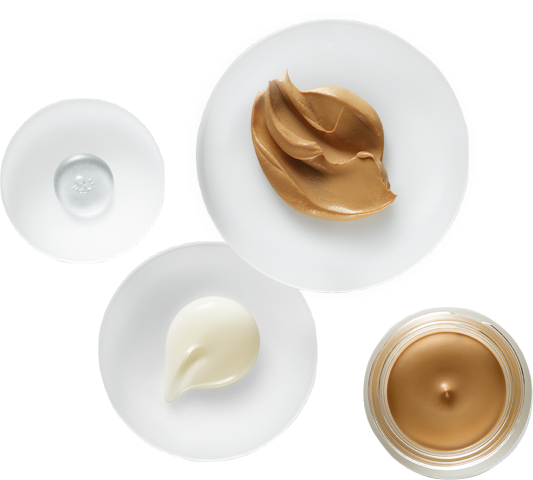
Before your in-clinic appointment, you’ll be given prep products to use at home, including depigmenting products and a cleanser, to prepare your skin for treatment. Some of these continue to be used throughout the process, and all are available to purchase at Restore Skin.
At your appointment, a depigmenting mask is applied with a texture similar to a clay mask, and left on for around 6 to 8 hours before you wash it off at home. Once removed, it’s normal for skin to look red, feel a little swollen, and start peeling over the following days.
Everyone’s skin reacts slightly differently, so what’s “normal” for you will be talked through at your consultation and appointment.
Around 48 to 72 hours after the mask comes off, you’ll start your homecare routine. You’ll be given a pack containing Cosmelan 2, melan recovery moisturiser and a highly effective SPF50, alongside the cleanser and depigmenting products from earlier.
Cosmelan 2 is applied every night for around 6 months, alongside daily SPF (more on that below), while the treatment continues working on pigmentation at a deeper level and helping to keep melanin production balanced. You’ll also have monthly in-clinic check-ins throughout.
Once the 6 months of Cosmelan 2 homecare is complete, you can move on to optional maintenance from months 6 to 12. This involves monthly in-clinic treatments combining a depigmenting peel with microneedling and a depigmenting solution, and it’s designed to help protect and maintain your results.
You can continue using Cosmelan 2 and your other depigmentation homecare alongside this, or move onto different skincare, depending on what your skin needs at that stage.
Your Cosmelan Timeline
- Consultation – We assess your skin and confirm Cosmelan is the right fit for you
- Before treatment – Prep products at home (depigmenting products and cleanser)
- In clinic – Mask applied, left on 6–8 hours, then washed off at home
- Day 2–3 – Homecare begins (Cosmelan 2, melan recovery, SPF50)
- Months 1–6 – Nightly Cosmelan 2, daily SPF, monthly in-clinic check-ins
- Months 6–12 (optional) – Monthly maintenance treatments (depigmenting peel with microneedling)
What Is The Recovery and Aftercare Like?
The first week or so involves some redness, mild swelling and visible peeling, which is a normal part of the skin renewing itself. Most people can go about daily life during this, but it’s not the treatment to have the week of an important event.
Aftercare is where a lot of the result actually happens. That means following the homecare routine consistently, avoiding picking at any peeling skin, and being strict with sun protection.
Skipping steps, or stopping homecare early because your skin looks better, is one of the main reasons pigmentation can return.
You’re not left to manage this alone. Louise checks in with you throughout the 6 months to see how your skin is progressing and to answer any questions along the way. In the early stages, she’ll ask for daily photos to make sure your skin is responding well to treatment, alongside the monthly in-clinic check-ins.
The Importance of SPF
SPF isn’t optional with Cosmelan. It’s essential, both during treatment and long after. Pigmentation is largely driven by UV exposure, so even a small amount of unprotected sun can undo progress or trigger new dark spots, particularly with melasma.
We recommend daily SPF, which is included in your homecare pack, and a hat for extra protection when you’re out for long periods in strong sun. This matters just as much in the months after treatment as it does during it.
How Long Does It Take to See Results?
After the in-clinic mask, your skin will start to peel within a few days. Most people start to notice dark spots fading within the first week or two, though this varies from person to person, and darker skin can take a little longer to show visible change.
Skin generally looks brighter within 2 to 3 weeks. The core results from your 6 months of Cosmelan 2 homecare typically settle by month 6, with the optional maintenance phase (months 6 to 12) helping to further refine and protect your results over the following months.

Can Pigmentation Return After Cosmelan?
It can, particularly with melasma, if sun protection or maintenance isn’t kept up. Cosmelan is designed to regulate pigment production long-term, not just remove what’s currently visible, so the results tend to hold well when aftercare is followed properly.
The optional months 6 to 12 maintenance treatments (a depigmenting peel with microneedling), alongside daily SPF, are what protect your results over time.
Who May Not Be Suitable?
Cosmelan isn’t right for everyone. It may not be suitable if you’re pregnant or breastfeeding, if you have certain skin conditions, or if your pigmentation has a cause that needs a different approach altogether.
Pigmentation also isn’t always what it looks like. Melasma, sun damage, post-inflammatory marks and other types of pigmentation can appear similar but need different approaches, and using the wrong one can make things worse rather than better.
That’s why Cosmelan always starts with a consultation, so we can properly assess your skin, talk through your history and expectations, and confirm it’s the right fit before any treatment begins.
Book a Cosmelan Consultation With Restore Skin
If stubborn pigmentation hasn’t responded to anything else you’ve tried, a Cosmelan consultation is the place to start.
We’ll assess your skin, talk through what’s realistic, and let you know honestly whether Cosmelan is the right treatment for you.
FAQs About Cosmelan
Cosmelan is a well-established, medically supervised treatment, but like any depigmentation treatment, it needs to be carried out and followed up correctly. That’s why a consultation and clinical follow-up are required throughout.
The mask itself isn’t painful, though some people feel warmth or mild tingling while it’s on. Redness, swelling and peeling afterwards are a normal part of the process, not a sign anything’s gone wrong.
Cosmelan runs as a single in-clinic treatment followed by 6 months of homecare. From month 6 to 12, you can choose to continue with optional monthly maintenance treatments in clinic to help protect your results, rather than repeated full Cosmelan sessions.
Related Guides:
- What to Expect from a Skin Consultation at Restore Skin
- How to Reduce Pigmentation Safely with Professional Treatment
- HydraFacial vs Microneedling: Which Is Better?
- Top 5 Skin Treatments for Glowing Skin
Written By
Louise Matjaszek
Advanced Skin Practitioner · 17+ Years Healthcare Experience · Founder, Restore Skin
Louise Matjaszek is an Advanced Skin Practitioner specialising in medical-grade skin treatments and facial aesthetics. Every article published on Restore Skin is written and checked by Louise, drawing on her clinical training and years of hands-on experience treating acne, pigmentation, rosacea, scarring and ageing skin.